
Rabies is one of the most serious infectious diseases affecting both animals and humans. It’s caused by a virus that attacks the nervous system and, once symptoms appear, is almost always fatal. But—critically—it is entirely preventable with the right precautions. Understanding how rabies spreads between wildlife and pets, and what to do if exposure occurs, can protect your family, your pets, and your community.
What Is Rabies?
Rabies is a viral disease that affects mammals, including wildlife, household pets, and humans. The virus is typically spread when saliva from an infected animal enters the body—most often through a bite, but also through scratches or contact with open wounds or mucous membranes.
Once symptoms begin, rabies has a very high fatality rate. That’s why prevention and early reporting are so important.
What type of animals carry rabies? What are the possible risks?
Wildlife: Common Carriers and Risks
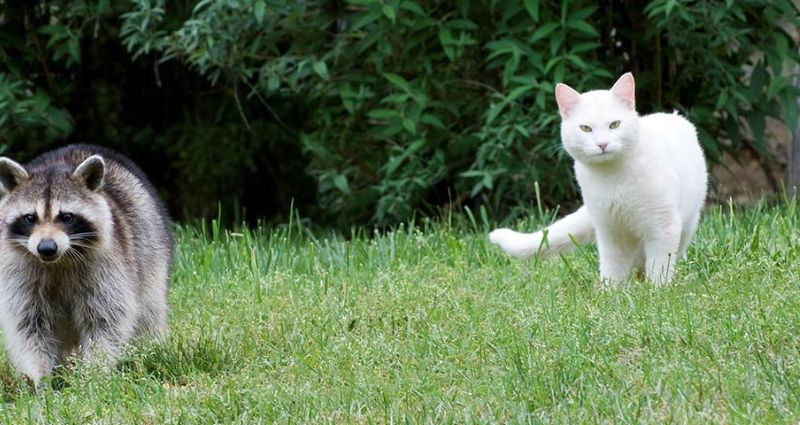
In Maryland and throughout the U.S., several wild species are known to frequently carry rabies. These include:
•Raccoons
•Bats
•Foxes
•Skunks
•Groundhogs
Wild animals may appear healthy at first, but rabid animals often exhibit behavior changes, such as:
•Acting unusually tame or aggressive
•Staggering or seeming disoriented
•Excessive drooling or difficulty swallowing
Never approach or attempt to handle wildlife you suspect may be sick or rabid. If you see an animal exhibiting strange behaviors, treat it as a potential rabies risk and report it to the authorities immediately.
Domestic Pets and Rabies
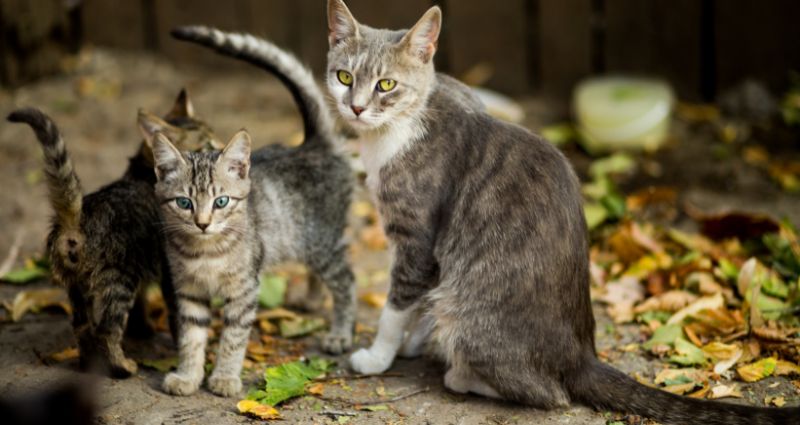
Even pets that spend most of their time indoors can be exposed if they escape or encounter wildlife. Dogs, cats, and ferrets are all susceptible to rabies. Protecting your pets involves:
-Maryland law requires that all dogs, cats, and ferrets over 4 months old be vaccinated against rabies. Keeping your pet’s rabies shots up-to-date is the best way to prevent infection and the spread of the disease.
-Supervise pets when they are outside. Unattended pets may stray into wooded areas or meet wildlife carriers like raccoons and bats.
-Avoiding Wildlife Interactions
-Keep trash secured and avoid leaving pet food outdoors, which can attract wild animals into your yard or neighborhood.
Signs of Rabies in Animals
Whether dealing with a pet or wildlife, be alert for these warning signs, which can indicate rabies infection:
-Sudden behavior changes (friendly animals becoming aggressive, or vice versa)
-Excessive drooling or foaming at the mouth
-Paralysis or inability to walk normally
-Unusual vocalization or disorientation
-Loss of fear of humans in normally wild animals
If you see these signs, stay far away and report it right away.
What To Do If Exposure Happens:
If you or your pet is bitten or scratched by any animal that might have rabies:
-Don’t touch the animal with bare hands.
-Wash the wound thoroughly with soap and water.
-Seek medical attention immediately for possible rabies post-exposure treatment.
Local Reporting & Resources — Carroll County, MD
If you need to report a bite, possible rabies exposure, or a suspicious animal in Carroll County, use the following contacts:
Carroll County Health Department – Rabies Control:
(410) 876-1884 or 1(800) 966-3877 (business hours)
Carroll County Animal Control: (410) 848-4810 (Business Hours and After-Hours)
(911) — for immediate danger
Calling these numbers helps health officials respond quickly to potential rabies cases and protect your community.
Preventing Rabies in Your Community
Here are simple steps everyone can take:
-Ensure all pets are vaccinated against rabies.
-Supervise your pets outdoors.
-Avoid contact with wild animals or strays.
-Report unusual animal behavior immediately.
Rabies is deadly, but with community awareness and responsible pet care, it’s a risk we can manage together.