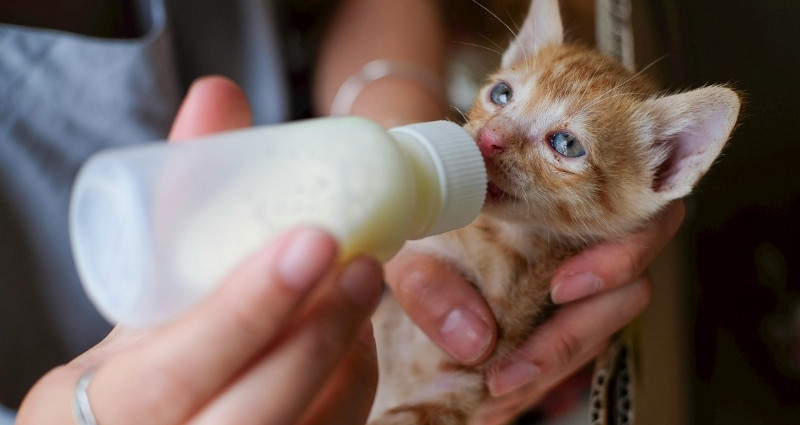

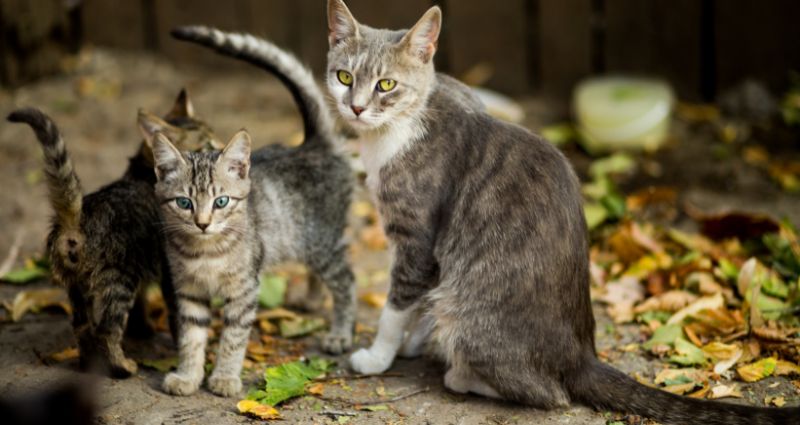
A single unspayed female cat and her offspring can quickly turn into dozens of cats in just a few years. Female cats can become pregnant as early as five months old and may have up to three litters per year, with an average of four kittens per litter. That means one cat and her kittens can produce 12 or more new cats each year. Those kittens can begin reproducing within six months, causing the population to grow exponentially. Within three years, just one unaltered female and her offspring can result in more than 60 cats living in a community.
Unchecked population growth leads to overcrowding, competition for food and shelter, and increased suffering from disease, injury, and starvation. It also places enormous strain on animal shelters, which are often faced with more cats than available homes. This is where Trap–Neuter–Return (TNR) plays a critical role in lifesaving.
TNR is a proven, humane approach that humanely traps community cats, spays or neuters them, and returns them to their outdoor home. By preventing future litters, TNR stabilizes cat populations, improves the health and behavior of the cats, and dramatically reduces the number of kittens entering shelters. Fewer kittens born means fewer cats facing unnecessary euthanasia simply due to lack of space or resources.
Members of the public play an essential role in this lifesaving model. By supporting and advocating for TNR, community members help protect cats, reduce shelter overcrowding, and prevent unnecessary deaths. TNR addresses the root cause of feline overpopulation by stopping the cycle of reproduction before it begins.
Most community cats are not lost or abandoned pets—they are well-adapted to living outdoors and are often healthiest and happiest remaining in their familiar environment. When these cats are spayed or neutered and returned to their outdoor home, they can continue living safely while no longer contributing to population growth. TNR creates a compassionate balance that benefits cats, shelters, and communities alike, making it one of the most effective and humane ways to save lives.